
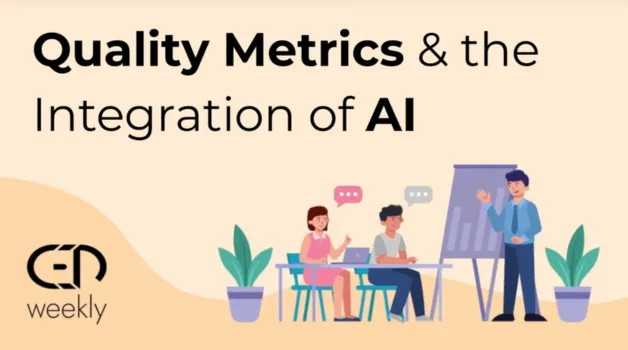
No one wants AI to replace their job. Instead we should use it thoughtfully in quality teams to help make our jobs easier.
Most companies do not have a shortage of quality data. They have more data than their teams can realistically review, connect, and act on.
Deviations, CAPAs, complaints, training records, audit findings, and investigation timelines are all being tracked. But a dashboard can tell you that deviations increased by 15%. It cannot always tell you why, where the risk exists, or if there’s a larger issue developing.
This is where AI has real potential.
When used thoughtfully, AI can help quality teams connect information across systems, identify recurring patterns, and recognize early warning signs that might otherwise go unnoticed.
But the technology is only part of the equation. Reliable data, a clear and defined use case, human oversight, and ongoing monitoring still matter. AI can help teams see problems sooner, but quality professionals must decide what those findings mean and what should happen next.
The goal is not a more impressive dashboard. It is a quality system that learns from its own data and helps people make better decisions.
Read the full article here to explore how AI can support stronger, more meaningful quality metrics.