


When Standard Medications Are Not Enough
This is a challenge pharmacists encounter more often than many people realize. A prescribed dose may not be commercially available. A pediatric patient may require a much lower strength than what manufacturers provide. A patient with swallowing difficulties may be unable to take tablets or capsules. Others may be sensitive to specific excipients, preservatives, or dyes commonly found in standard formulations.
In these situations, the challenge is not finding the right active ingredient. It is finding the right formulation.
Pharmaceutical compounding helps bridge this gap by allowing medications to be adapted to individual patient needs when commercially available products are unsuitable, unavailable, or impractical.
Where Compounding Pharmacy Makes a Difference
By modifying dosage strengths, dosage forms, or formulation ingredients, pharmacists can create medications tailored to specific clinical requirements.
- Patients with dysphagia cannot swallow tablets or capsules
- Allergies or sensitivities require removal of certain excipients
- Drug shortages interrupt access to essential medications
- Clinicians require unique combinations unavailable on the market
Compounding is not simply a convenience, it can be critical to maintaining continuity of care.
Compounding Requires More Than Pharmaceutical Expertise
As compounding activities become more complex, maintaining both product quality and operator safety is becoming more crucial. When hazardous drugs are involved, pharmacies must not only prevent contamination but also protect personnel from occupational exposure during preparation and handling.
For this reason, USP <800> places strong emphasis on containment strategies and engineering controls designed to protect products, operators, and the surrounding environment throughout the compounding process.
Read the Full Article: What Pharmacies Often Miss in USP <800> Compliance >
Choosing the Right Containment Solution
Different compounding applications require different containment strategies.
The AC2 G4 and ADC F-Series in the Compounding Workflow
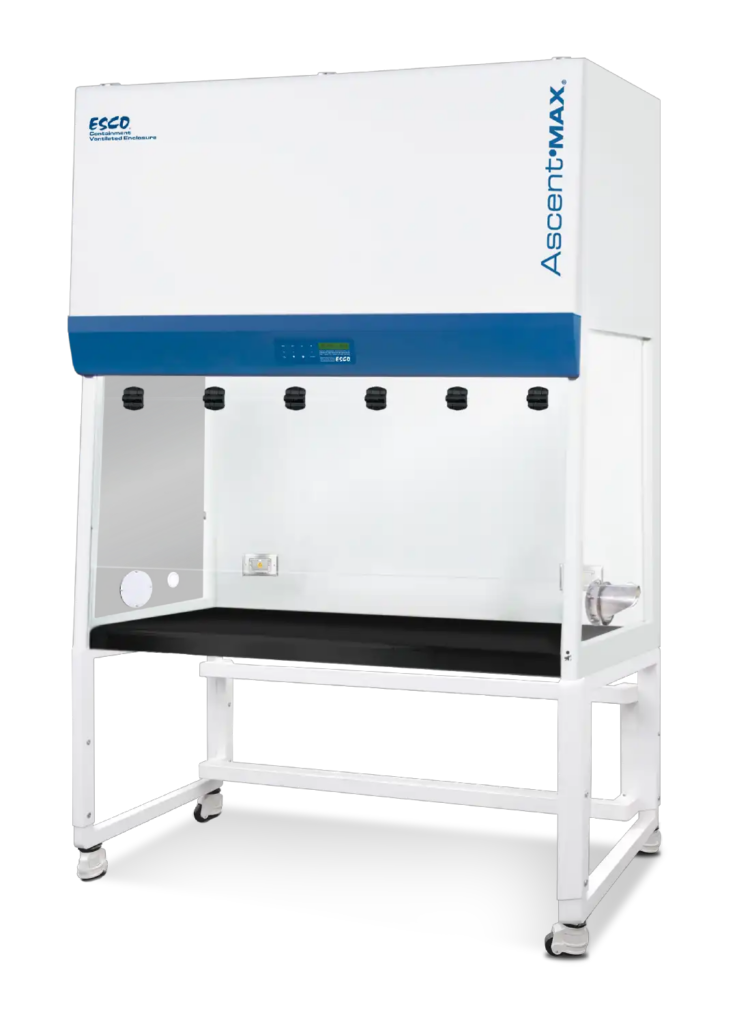
Designed for non-sterile hazardous drug compounding workflow by using:
- Dual HEPA filtration for improved performance and optimal room recirculation.
- Transparent side wall and ergonomic design for better visibility and visual access.
- Robust hood construction and ergonomic mounting of the key components for easy maintenance.
- Energy-efficient, low noise, and low vibration through the use of a centrifugal fan.
- Isocide Antimicrobial powder coating that can eliminate 99.9% of surface bacteria within 24 hours of exposure.
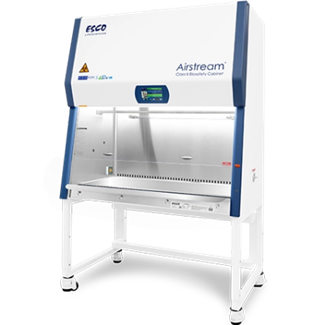
Designed for a sterile hazardous compounding workflow by using:
- ULPA filters provide an ISO Class 3 workzone, surpassing ISO Class 5 of conventional HEPA filters.
- ECM blower ensures stable airflow and adjusts for filter loading and voltage changes.
- Large performance envelope ensures strong containment despite imbalance.
- 7” intuitive touchscreen LCD monitors airflow for continuous protection.
- Easy-to-clean workzone closely aligns with cGMP to ensure product sterility.
Selecting the right containment equipment is not simply a compliance decision. It is a decision that affects workflow efficiency, operator safety, product quality, and ultimately patient outcomes.
Cabinet Selection Guide | Request for Quotation | Know Your Hood