

Report Highlights
In a 2026 survey asking 1,000 U.S. adults about their debt, 16% of Americans say they’ve delayed or avoided going to the emergency room or urgent care due to cost concerns.
Source: The Penny Hoarder’s 2026 State of Debt in America Report
This report highlights 11 prominent cash-pay pharmacies. Local pharmacies were excluded in favor of large regional and multistate pharmacies due to their size, customer base, nationwide recognition, and length of time operating the cash-pay model.
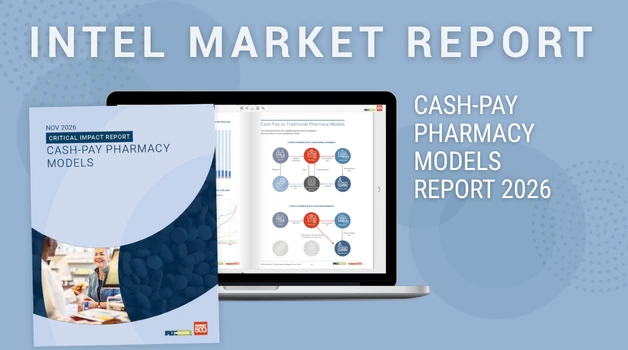
RXinsider’s latest market report on cash-pay pharmacy models includes:
- Cash-Pay vs Traditional Pharmacy Models
- Retail Prescription Drug Expenditures
- History of Cash-Pay Pharmacies and Out-of-Pocket Prescription Drug Spend in the U.S.
- Pharmacy500 Cash-Pay Pricing Tools
Understanding Cash Pay Pharmacy Models
A cash-pay pharmacy (also known as a self-pay pharmacy) is a pharmacy model that has grown in popularity over the past several years. In this pharmacy model, patients pay for prescription drugs directly out of pocket without using health insurance, discount cards, or a patient assistance program.
- Bypassing third parties: The patient pays the listed medication price without submitting a claim to health insurance. This also avoids restrictions such as insurance formularies and prior authorizations.
While some cash-pay pharmacies operate alongside a traditional community / retail pharmacy, the cash-pay model remains a separate purchasing pathway. - Deductible: Since insurance is avoided, payments for medications in a cash-pay model generally do not count toward a patient’s annual insurance deductible.
- Transparent pricing: Drug prices are typically presented to the patient upfront, often calculated as the wholesale price plus a markup, dispensing fee, and shipping costs.
- Focus on generics: The majority of medications offered are generic drugs. The cash-pay pharmacies that offer 4 brand-name medications typically result from direct-to-manufacturer business relationships.
- Streamlined operations: Cash-pay pharmacies tend to experience lower administrative costs, faster cash flow, and more independence from Pharmacy Benefit Manager (PBM) fees.
- Payments: Direct payment methods include cash, credit and debit cards, and HSA/FSA cards.
Market Overview Reports
The spirit of the Pharmacy500 Pharmacy Services Administrative Organizations (PSAOs) Report 2026 is to educate Pharmacy500 professionals, pharmacy leadership, and other stakeholders on key trends within the supply chain.
Pharmacy500 Market Intelligence Reports
The objective of RXinsider’s weekly Market Intelligence Reports is to educate Pharmacy500 professionals, pharmacy leadership, and other stakeholders on key trends within the supply chain as it relates to the pharmacy industry.
Learn more about RXinsider’s weekly Market Intelligence Reports on our website: RXinsider.com/pharmacy_market_intelligence
Interested in the complete Reports Archive?
Request a two-week trial here.