

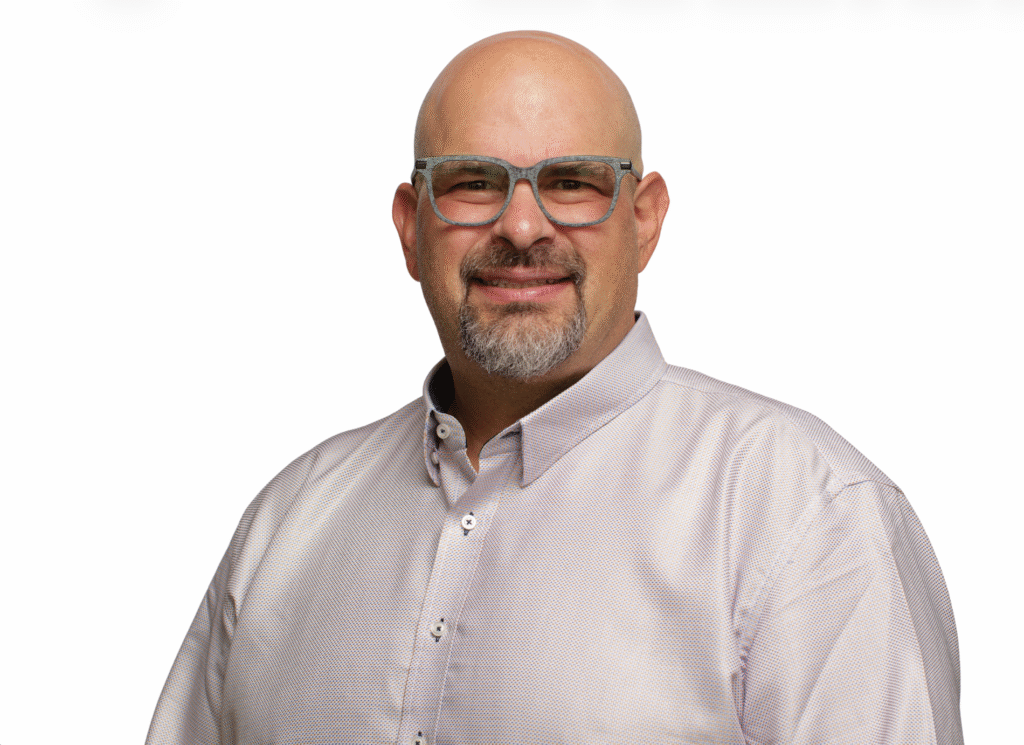
In an era where digital footprints are sold to the highest bidder, the founder of InfoWerks is making a radical case for privacy and the “slow-growth” movement in healthcare.
Interview conducted by Elina S.
Jeff Deitch is not your typical tech disruptor. There is no “move fast and break things” energy here. Instead, there is a grounded, almost archival sense of purpose. When he founded InfoWerks in 1997, the internet was a fledgling frontier, and data was not yet the world’s most expensive currency.
Deitch saw a flaw in the foundation. The companies building the systems were quietly claiming ownership of the stories and the health histories of the people using them. “It’s their data, not yours,” he says. For nearly thirty years, that conviction has been his North Star. In a world of pivots and trends, Deitch has done something much harder: he stayed the same.
On the Radical Act of Ownership
Elina: You started InfoWerks with a belief that was, at the time, quite subversive. You believed that patients, not providers, should own their data. Where did that spark come from?
Jeff Deitch: I believe very strongly in the democratization of data. Here is the problem we were up against: In the early days of pharmacy technology, nobody was thinking about data as a valuable asset. The companies that created the first pharmacy management systems wrote contracts giving themselves control over all the data. It is as if Microsoft had written into their license agreement that every bit of data you ever put into Excel belonged to them. I have always been fighting against that paradigm. We help data be where it is needed and controlled by those who should be controlling it.
On the Currency of Trust
Elina: Healthcare is perhaps our most intimate industry. How do you convince massive organizations to trust you with something so sensitive?
JD: Since day one, trust has been central to everything we do. InfoWerks began with something you cannot manufacture: years of personal relationships with pharmacy owners and software vendors who already knew how I worked. That trust was earned through consistent, reliable partnerships long before
we opened our doors. When you have proven yourself in this industry, people remember. That foundation became the bedrock of everything we stand for.
On the Luxury of “No”
Elina: You have spoken about choosing quality over rapid expansion. In a culture obsessed with “scaling,” how do you justify slower growth?
JD: Taking care of your people, building good processes, and paying attention to what matters: those things do not hold you back. I really care about doing good work for our customers. If you actually mean that, you cannot just take on every opportunity that walks through the door. Sometimes you have to say no because you know you cannot give it the attention it deserves. There is a certain pride in that choice. Better to do quality work than a lot of work.
On the AI Frontier
Elina: You have joked that in the 90s, people thought you could “read the Matrix.” Now, anyone with a decent AI tool can replicate technical tasks. How do you stay relevant?
JD: When I started, what I was doing was mind-boggling on a level people could not understand. Now the landscape has changed. As people became able to do the technical work themselves, we had to identify where we truly add value. That has become about the experience, the trust factor, and ensuring it is taken care of correctly. That is really where we are pivoting.
The Future of the Brand
Elina: When people think about InfoWerks a decade from now, what do you hope they immediately associate with the name?
JD: We do not start with the goal of being billionaires. We started and continue with the desire to do good work and enable our customers to have what they want. The single biggest mission in healthcare today is interoperability. We want all these systems to work together so that when you go to one doctor, they know enough about what your other doctor did to make informed decisions about your health. By helping organizations understand how data fits into that bigger picture, we help them make better, more human decisions.
The Takeaway In a landscape of fleeting tech trends, InfoWerks is a reminder that the most valuable thing a brand can own is its word.