


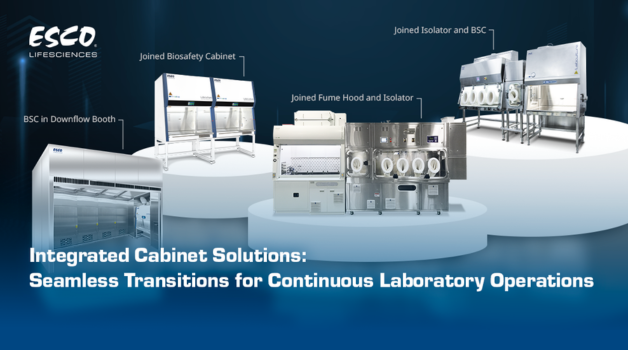
A single research project involves multiple steps, each requiring specific equipment and cleanliness levels. However, transferring samples between workstations increases the risk of contamination. This is the time to rethink laboratory design by integrating these processes into a single seamless system.
The Hidden Cost of Sample Transfers
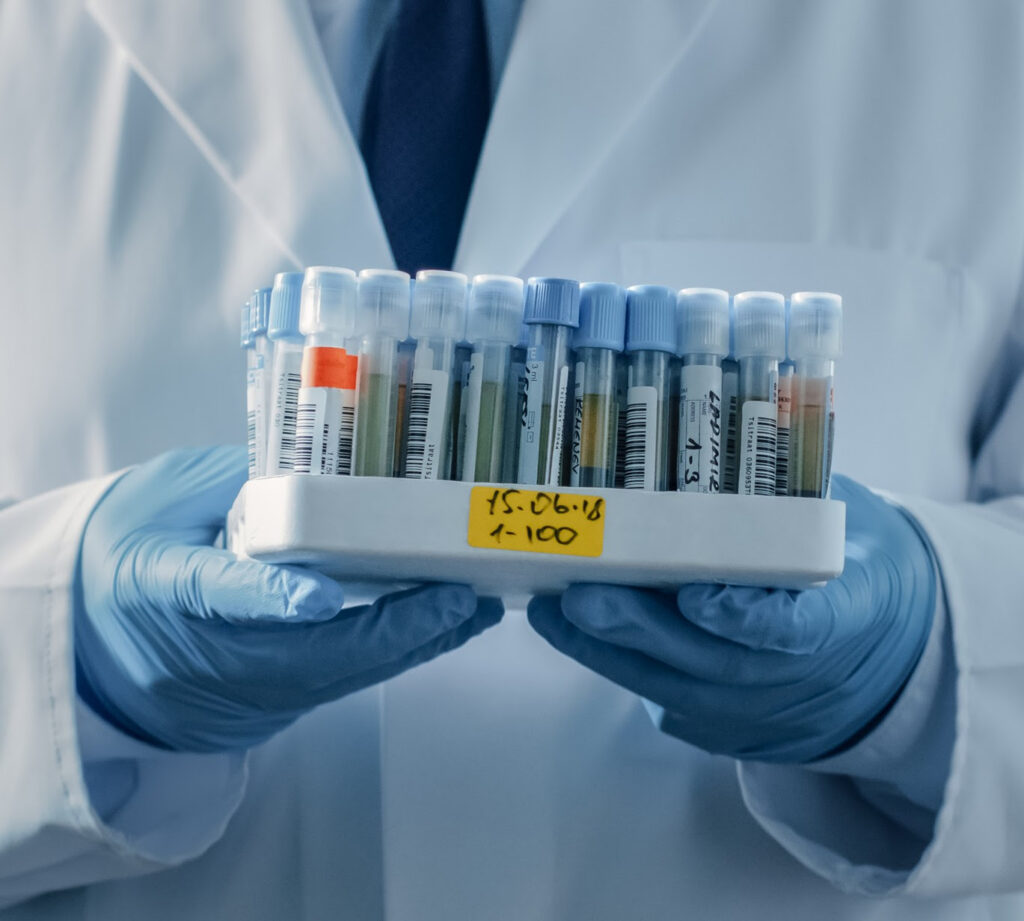
Handling samples in the open air and moving them between workstations are crucial points in labs where issues can arise, as they might result in:
- Airborne and cross-contamination that compromise sample and data quality
- Increased operator exposure to hazardous materials
- Higher risk of errors, spills, and sample loss
- Disrupted workflows, resulting in longer processing times and lower efficiency
Explore Cabinet Setups for Your Workflow
Integrated cabinet systems address these challenges by physically connecting containment zones and incorporating additional functional features. This allows samples to move through multiple process steps within a single, continuous, and protected environment. As a result, manual handling is minimized, environmental conditions remain consistent, and risks of contamination and operator exposu are significantly reduced.
Several engineered configurations are available to meet diverse research needs. Esco’s joined cabinet configurations demonstrate how multiple containment functions can be integrated into a continuous workflow.
Joined Biosafety Cabinets
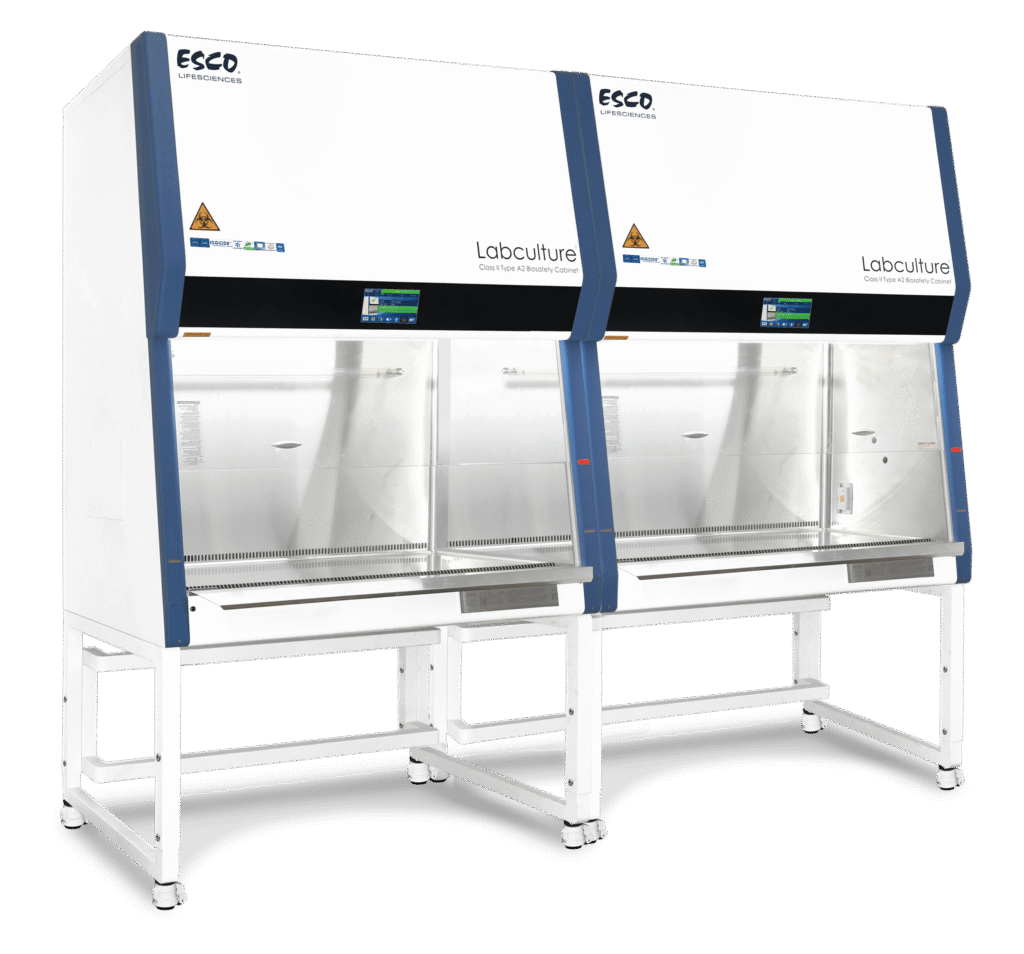
Create a unified work zone for parallel lab tasks, featuring pass boxes to minimize external sample transfers.
- Sterile material transfer between BSCs
- Spacious workspace with easy BSC room entry
- Passbox option for cleanroom transfers
- 7” touchscreen CFR controller with user guide
Joined Isolator and Biosafety Cabinet
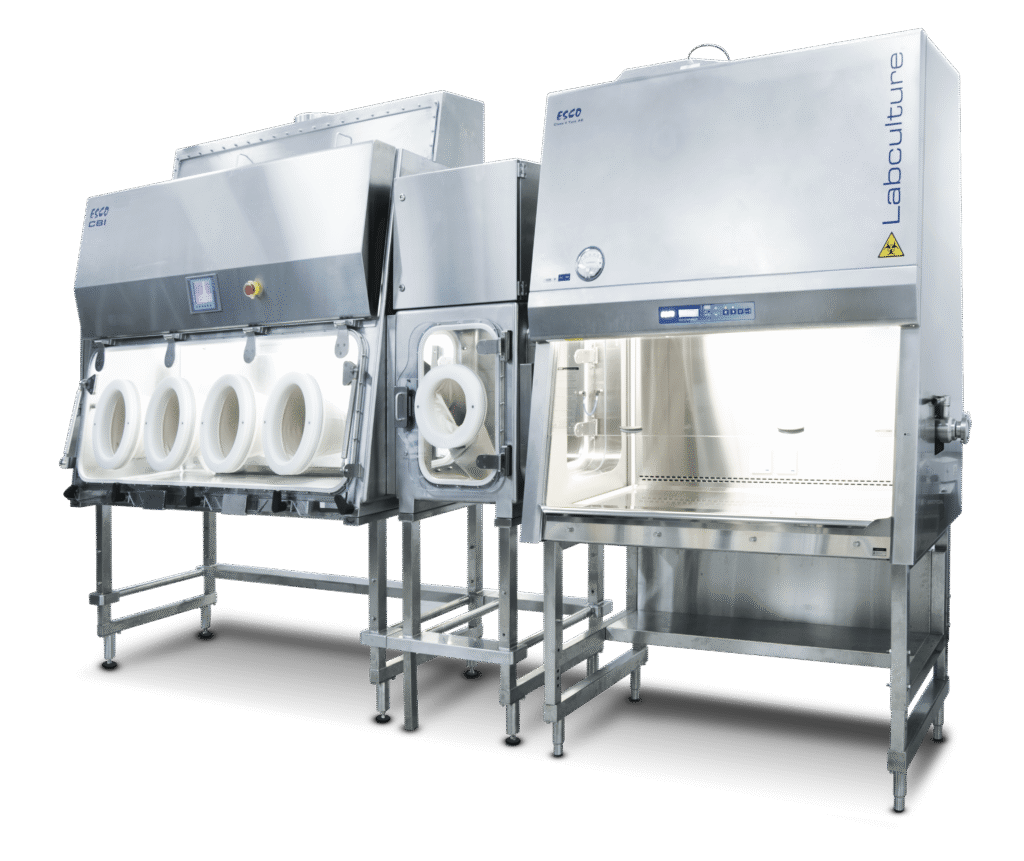
Ensures safe material transitions and supports high-risk applications while maintaining operator protection.
- Class II BSC for risk group 3/4 protection
- ISO Class 5 air cleanliness inside the chamber
- Stainless steel for frequent decontamination
- Pass box with an interlocking design
Biosafety Cabinet in Downflow Booth
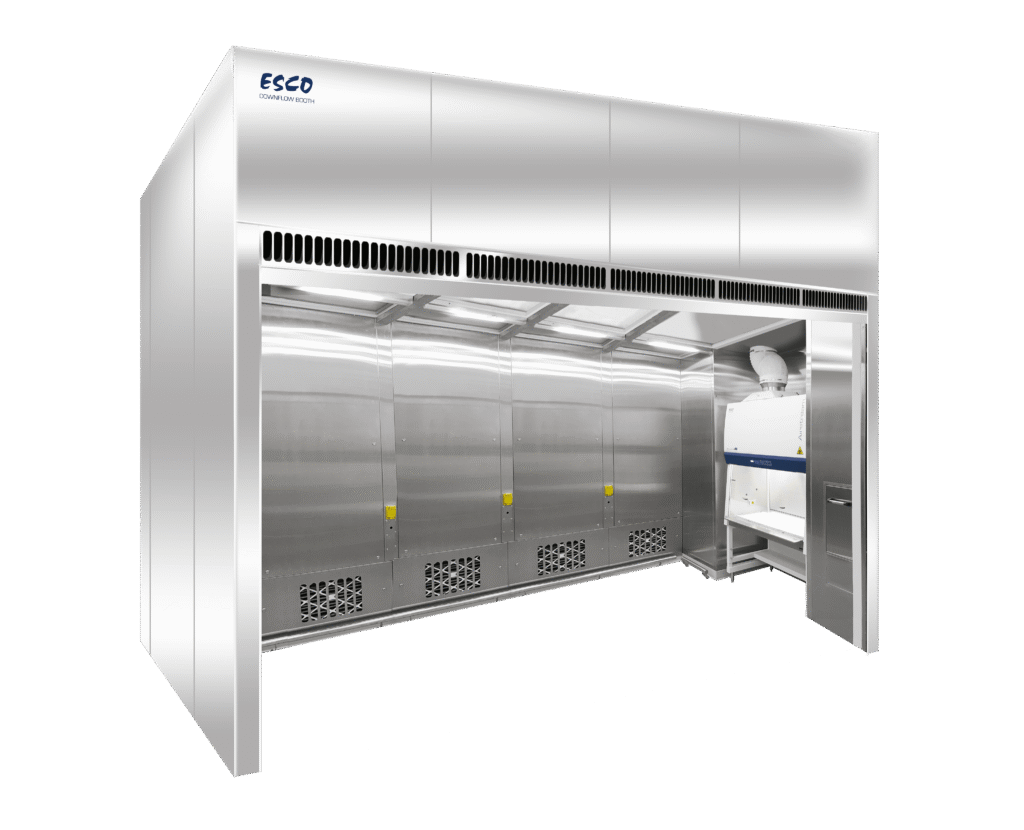
In fine powder operations, DFB directs particles away, maintaining ISO Class 3 conditions in a BSC.
- Keeps powders away from the operator’s breathing zone
- cGMP modular design minimizes joints and seams
- Multiple filtration stages
- The BSC provides an ISO Class 3 workzone in the DFB ISO Class 5 chamber
Joined Fume Hood and Containment Isolator
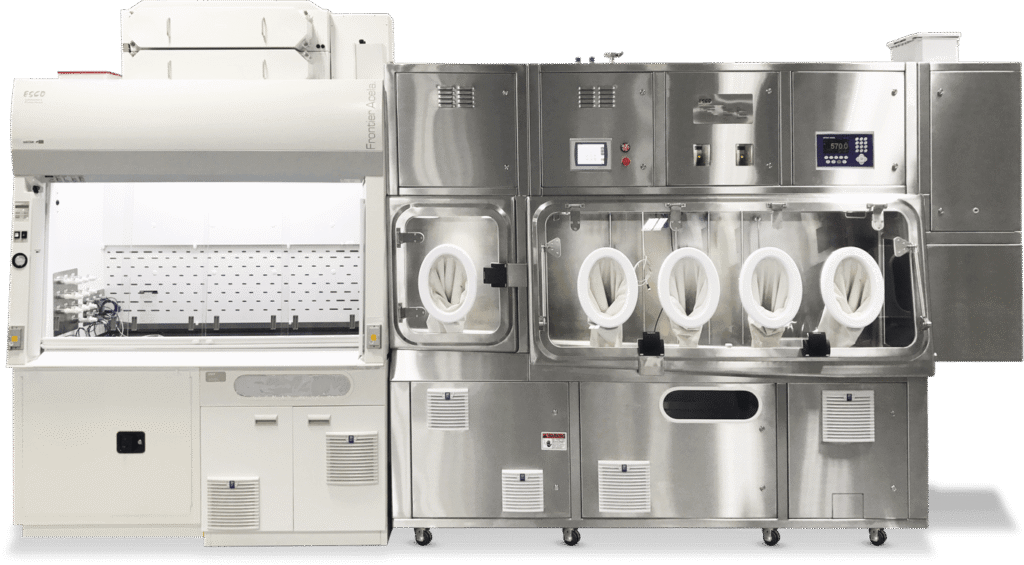
Ensures safe handling of potent or volatile substances, supporting high-containment operations
- Tri-wall construction for maximum robustness
- An epoxy worktop is ideal for dealing with chemicals
- Engineered for high potency applications
- Push-push safe-change filters enable efficient in-process filter
Download the Joined Pharmacy Brochure Here
Key Consideration for Implementing Integrated System
Successfully adopting an integrated system requires preliminary planning. This begins with mapping key multi-step workflows to identify processes best suited for integration, evaluating space, HVAC capacity, and installation requirements. Integrated systems should be qualified as a single validated entity (IQ/OQ/PQ) to ensure consistent performance and regulatory compliance. By aligning equipment with real laboratory workflows, integrated containment cabinets enable safer, more efficient, and more reliable laboratory operations.
Check Out the Full Article On Integrated Containment Cabinets for Continuous Laboratory Operations