


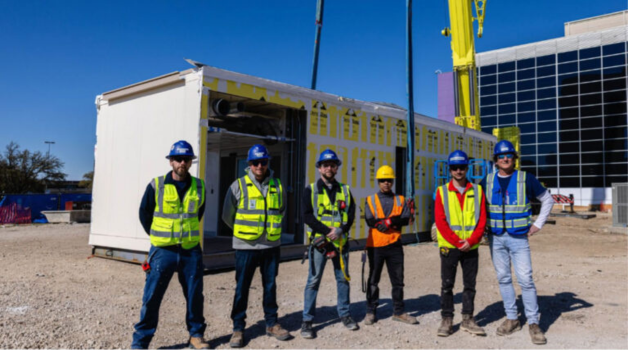
Modular design did not begin as an efficiency trend or a construction shortcut. It emerged from necessity. In the mid-1800s, during the California Gold Rush, populations expanded into remote regions faster than traditional infrastructure could support. Housing shortages threatened economic opportunity, safety, and growth, yet conventional construction methods were too slow and dependent on permanent infrastructure and supply chains that had not yet been established. Modular construction solved this problem by shifting fabrication offsite and transporting finished structures to where they were urgently needed.
At its core, modular construction was about access. It enabled people to live and work in places that would otherwise have been unreachable. That same principle—bringing critical infrastructure to the point of need—has remained central to modular constriction ever since. Today, modular cleanrooms, mobile cleanrooms, mobile imaging, and modular imaging solutions are direct descendants of that original idea, designed to deliver advanced clinical and manufacturing capabilities quickly, reliably, and exactly where they are needed most. Read More >